Blog
What to Eat During Chhath Puja 2026? Traditional Foods, Fruits and Their Health Benefits

Chhath Puja 2026
Chhath Puja is one of the most beautiful and spiritually significant festivals celebrated in India, especially in Bihar, Jharkhand, eastern Uttar Pradesh and parts of Nepal. Dedicated to Lord Surya (the Sun God) and Chhathi Maiya, this festival celebrates nature, gratitude, purity and devotion.
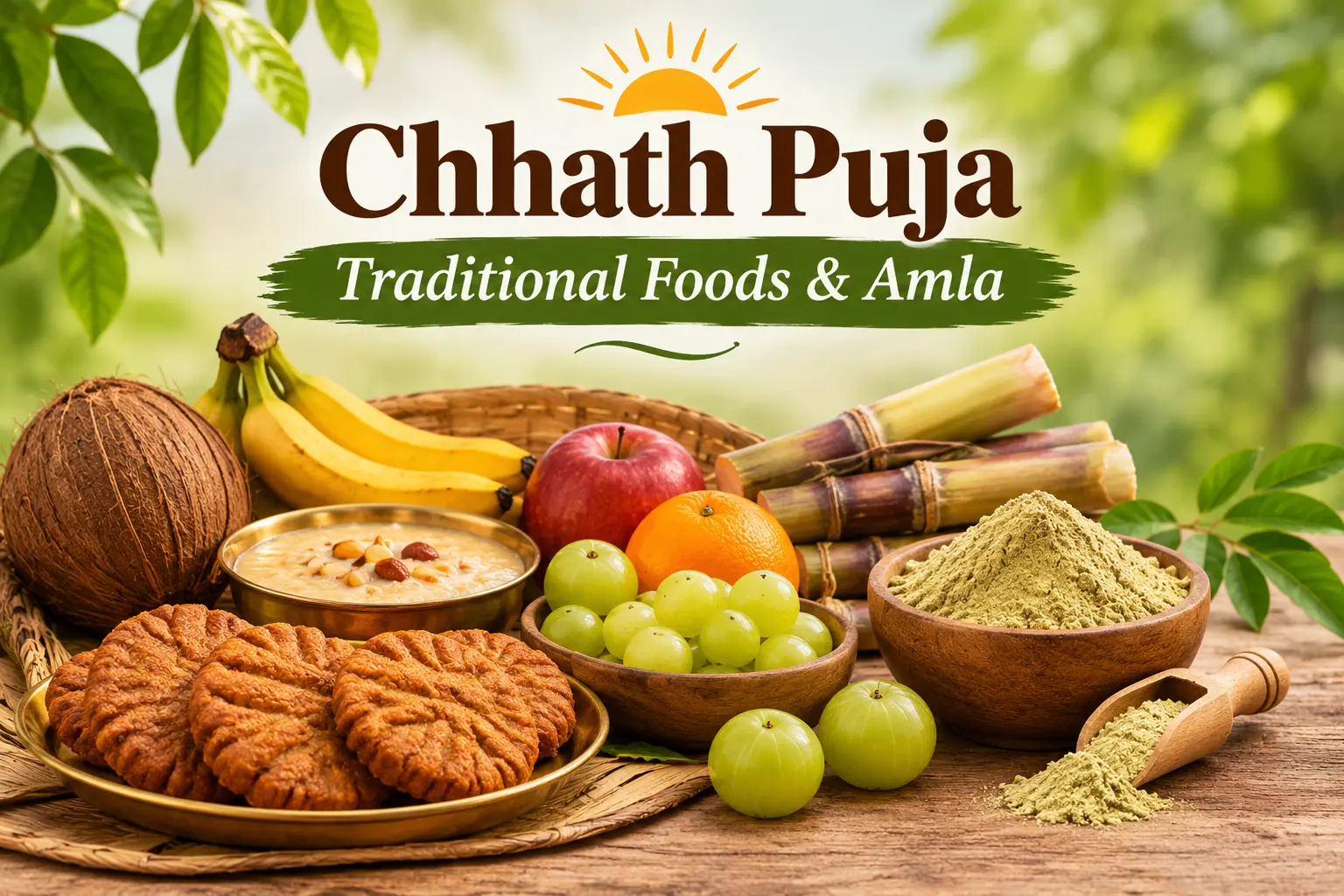
One of the most special aspects of Chhath Puja is its traditional food. From homemade Thekua and Gur Ki Kheer to seasonal fruits, coconuts and sugarcane, every offering reflects India’s deep connection with nature and traditional food culture.
But have you ever wondered what people eat during Chhath Puja, which fruits are offered, and what nutritional value these traditional foods provide?
In this guide by Himalayan Ayurveda & Herbals, we explore traditional Chhath Puja foods, seasonal fruits, the importance of Amla and the connection between India’s food heritage and natural wellness.
1. What Do People Eat During Chhath Puja?
During Chhath Puja, devotees prepare simple, traditional and mostly vegetarian foods using ingredients such as wheat flour, rice, jaggery, ghee, fruits and natural spices.
Food preparation follows specific family and regional traditions, with cleanliness and purity being especially important.
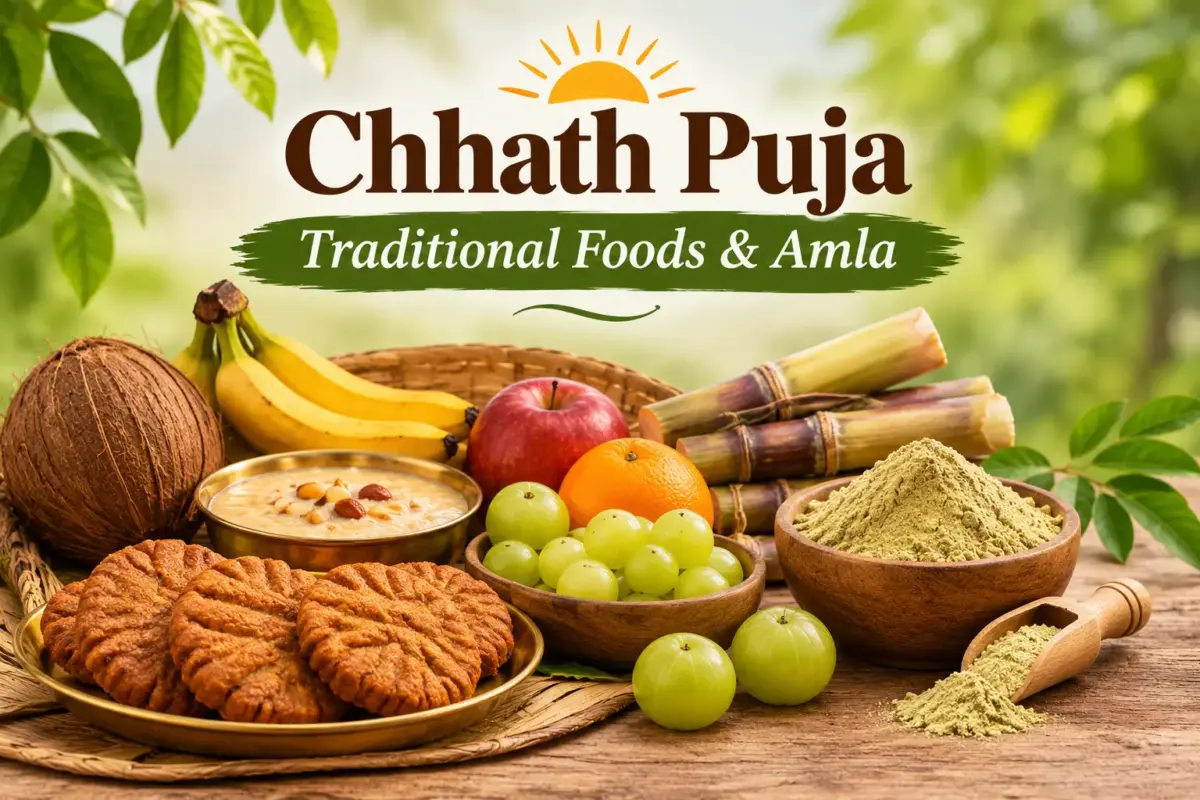
Some popular foods associated with Chhath Puja include:
- Thekua
- Gur Ki Kheer
- Rice and Chana Dal
- Kaddu Bhaat
- Kasaar (rice flour ladoos)
- Seasonal fruits
- Coconut and sugarcane
These foods are prepared as part of different rituals and offered to the Sun God before being distributed among family members and devotees as prasad.
2. Traditional Foods Prepared During Chhath Puja
Let’s explore some of the most popular traditional foods prepared during this festival.
Thekua – The Most Popular Chhath Puja Prasad
Thekua is perhaps the most recognisable traditional food associated with Chhath Puja. It is a homemade sweet snack commonly prepared using wheat flour, jaggery or sugar, ghee and sometimes coconut.
The ingredients are mixed into a dough, shaped into small pieces and traditionally deep-fried until golden brown.
Thekua Nutritional benefits:
- Wheat flour provides carbohydrates and some dietary fibre.
- Jaggery contributes sweetness and small quantities of minerals.
- Ghee provides fat and flavour.
Thekua is prepared with devotion and offered as prasad during Chhath Puja.
Gur Ki Kheer in Chhat Puja– A Traditional Sweet Offering
Gur Ki Kheer is another traditional preparation associated with Chhath Puja, particularly during the Kharna ritual.
It is generally prepared using rice, milk and jaggery. Jaggery gives this preparation a distinctive flavour and natural sweetness.
Milk provides protein and calcium, while rice supplies carbohydrates.
Kaddu Bhaat in Chhat Puja – A Traditional Meal During Nahaye Khaye
Kaddu Bhaat is a traditional meal prepared on the first day of Chhath Puja, known as Nahaye Khaye.
It commonly consists of pumpkin (kaddu), rice and chana dal. The meal is prepared according to family traditions and is often cooked without onion and garlic.
Pumpkin contains beta-carotene, while chana dal provides plant-based protein and dietary fibre.
Kasaar in Chhat Puja – A Traditional Rice Flour Sweet
Kasaar is a traditional sweet preparation made using rice flour, jaggery and ghee.
It is popular in several regions and is sometimes prepared as part of Chhath Puja offerings.
Its simple ingredients and traditional preparation make it a memorable part of the celebration.
3. Which fruit is used in Chhath Puja?
Fruits are an important part of Chhath Puja offerings. Devotees arrange different seasonal fruits in bamboo baskets, traditionally known as Daura and Soop.
Some commonly offered fruits include:
Banana
Bananas are among the most common fruits included in Chhath Puja offerings. They provide potassium, vitamin B6 and carbohydrates.
Coconut
Coconut is another important offering in many Chhath Puja traditions. Its flesh contains dietary fibre and fats.
Sugarcane
Sugarcane is frequently included in Chhath Puja arrangements. It represents abundance and is closely associated with agricultural traditions.
Apple and Orange
Depending on regional customs and seasonal availability, apples and oranges may also be included in Chhath Puja baskets.
Oranges provide vitamin C, while apples contain dietary fibre.
Amla (Indian Gooseberry)
Amla, also known as Indian Gooseberry, is an important fruit in India’s traditional food and wellness heritage.
It is valued for its naturally occurring vitamin C and other plant compounds.
Amla may be included in offerings in some households or regional traditions, although it is not a compulsory offering everywhere.
Its nutritional properties make it an interesting fruit to explore when discussing traditional Indian foods and natural wellness.
4. Amla: A Traditional Indian Superfruit and Its Nutritional Benefits
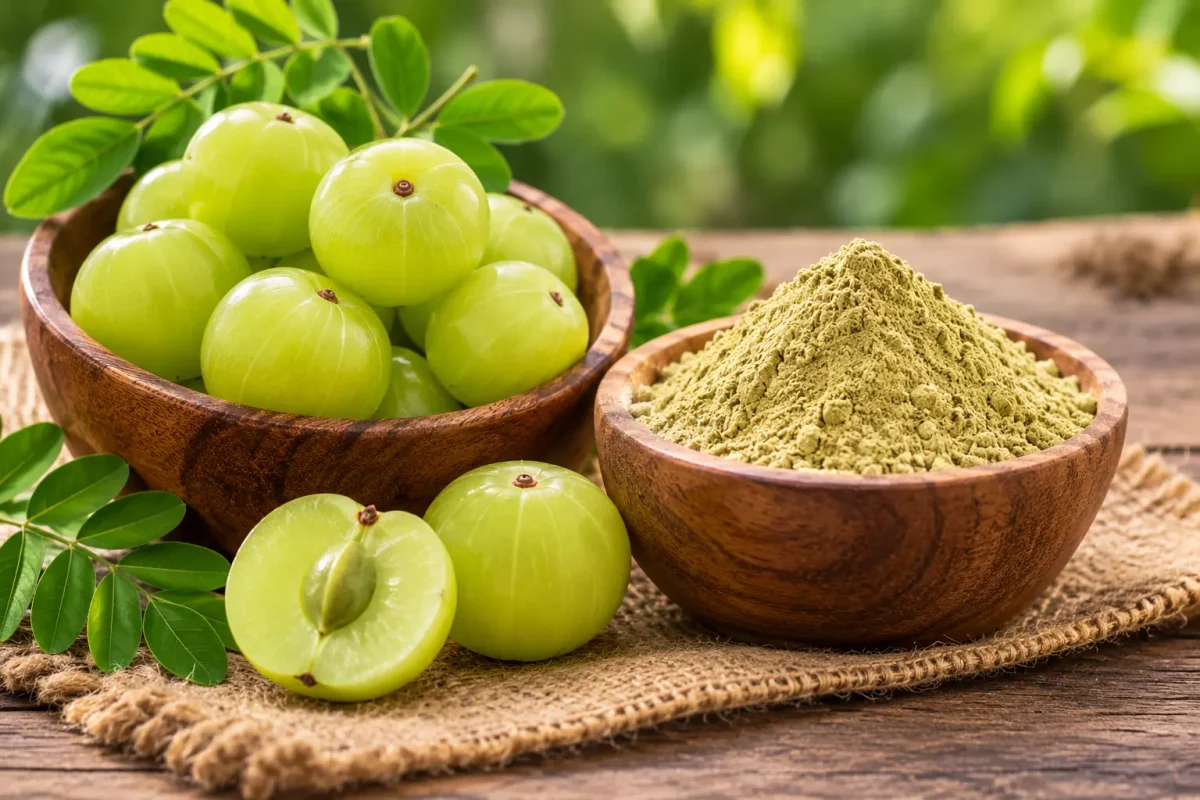
Amla holds a special place in traditional Indian food and wellness practices.
Known by its botanical name Phyllanthus emblica, Indian Gooseberry has been used in traditional Ayurveda for generations.
It is particularly valued for its vitamin C content and naturally occurring antioxidant compounds.
Why is Amla valued in traditional wellness?
- Vitamin C: Amla is a dietary source of vitamin C, which supports normal immune function and collagen formation.
- Antioxidant compounds: It contains naturally occurring polyphenols and other plant compounds.
- Dietary fibre: Fresh Amla provides dietary fibre that contributes to normal digestive function.
- Traditional Ayurvedic use: Amla is traditionally used in several Ayurvedic preparations, including Triphala.
Amla is available in different forms, including fresh fruit, dried fruit, juice and powder.
Discover Amla Powder by Himalayan Ayurveda & Herbals
At Himalayan Ayurveda & Herbals, we appreciate the traditional value of natural ingredients and their place in everyday wellness.
Our Amla Powder brings this traditional ingredient into a convenient powder form. It can be explored by people interested in learning more about Amla and its traditional uses.
Explore our Amla Powder: [Insert link to Amla Powder product page]
Product use should follow the product label and individual dietary requirements. Amla powder is not a substitute for fresh fruit or medical treatment.
5. Other Traditional Ayurvedic Ingredients Worth Exploring
India has a rich heritage of using herbs, roots, fruits and plant-based ingredients in traditional wellness practices.
While these ingredients are not necessarily part of Chhath Puja rituals, they represent the broader connection between Indian culture, natural ingredients and Ayurveda.
Here are three traditional ingredients worth knowing about.
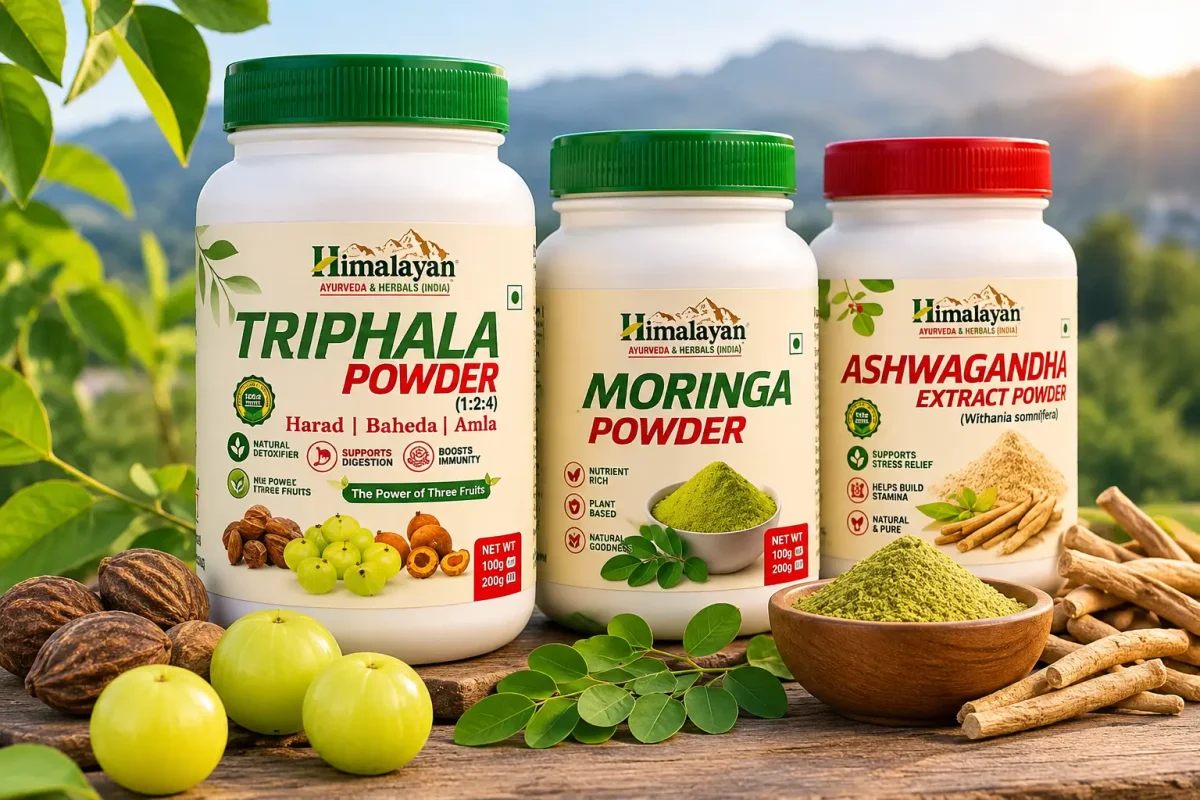
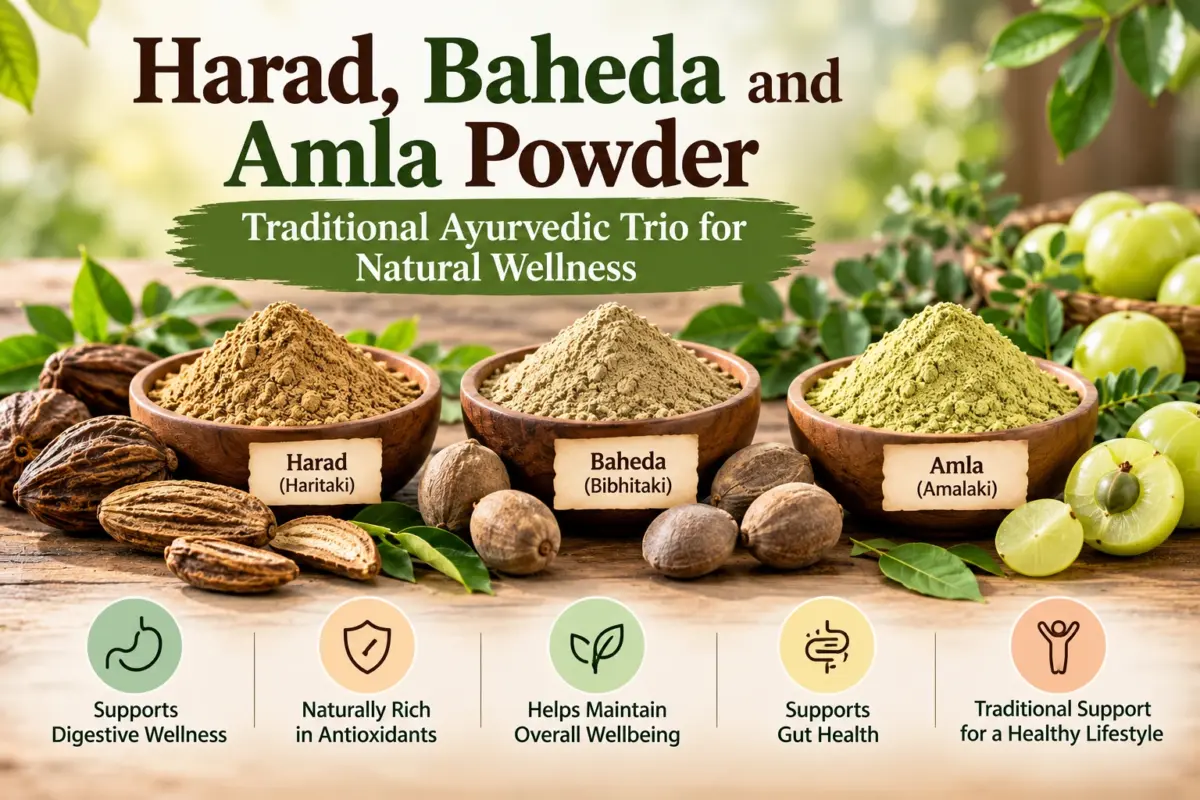
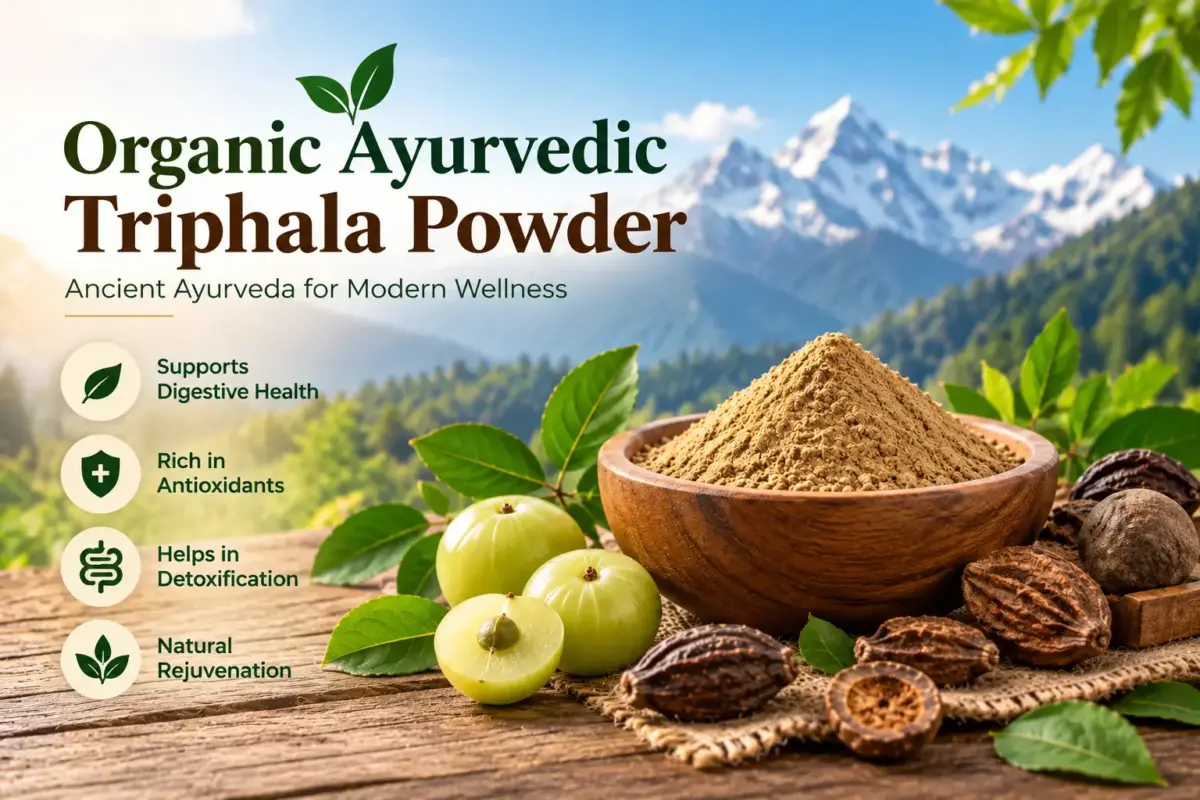
Triphala – A Traditional Combination of Three Fruits
riphala is a well-known Ayurvedic formulation made from three fruits:
- Amla (Indian Gooseberry)
- Haritaki (Harad)
- Bibhitaki (Baheda)
It has a long history of use in traditional Ayurvedic practices, particularly in relation to digestive wellness.
If you are interested in learning more about this traditional formulation, explore our [Triphala Powder] product.
Internal product link: [Insert Triphala Powder product page URL]
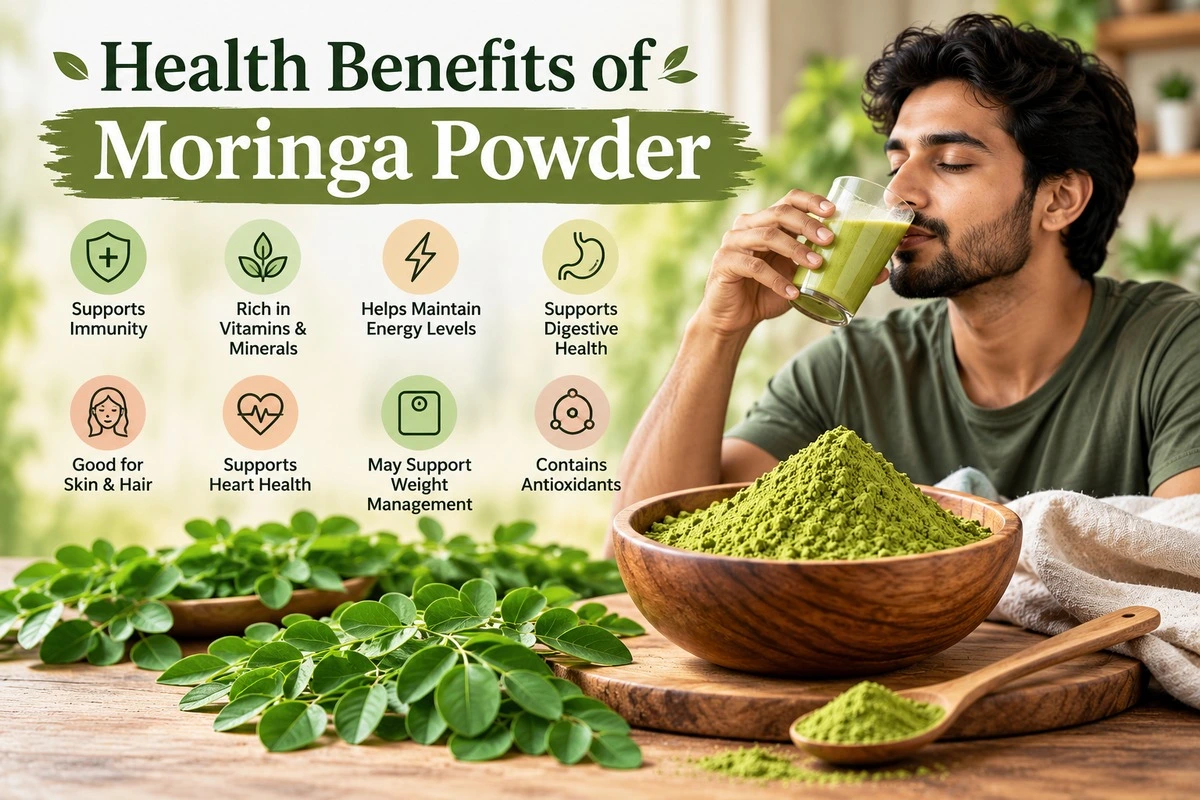
Moringa – A Nutrient-Rich Green Plant
Moringa, commonly known as the drumstick tree, is valued for its nutrient-rich leaves.
Moringa leaves contain plant-based nutrients, including vitamins, minerals and antioxidants.
Moringa powder is made from dried moringa leaves and is used as an ingredient in various food preparations.
At Himalayan Ayurveda & Herbals, we also offer Moringa Powder for people interested in exploring plant-based ingredients.
Explore our Moringa Powder: [Insert Moringa Powder product page URL]
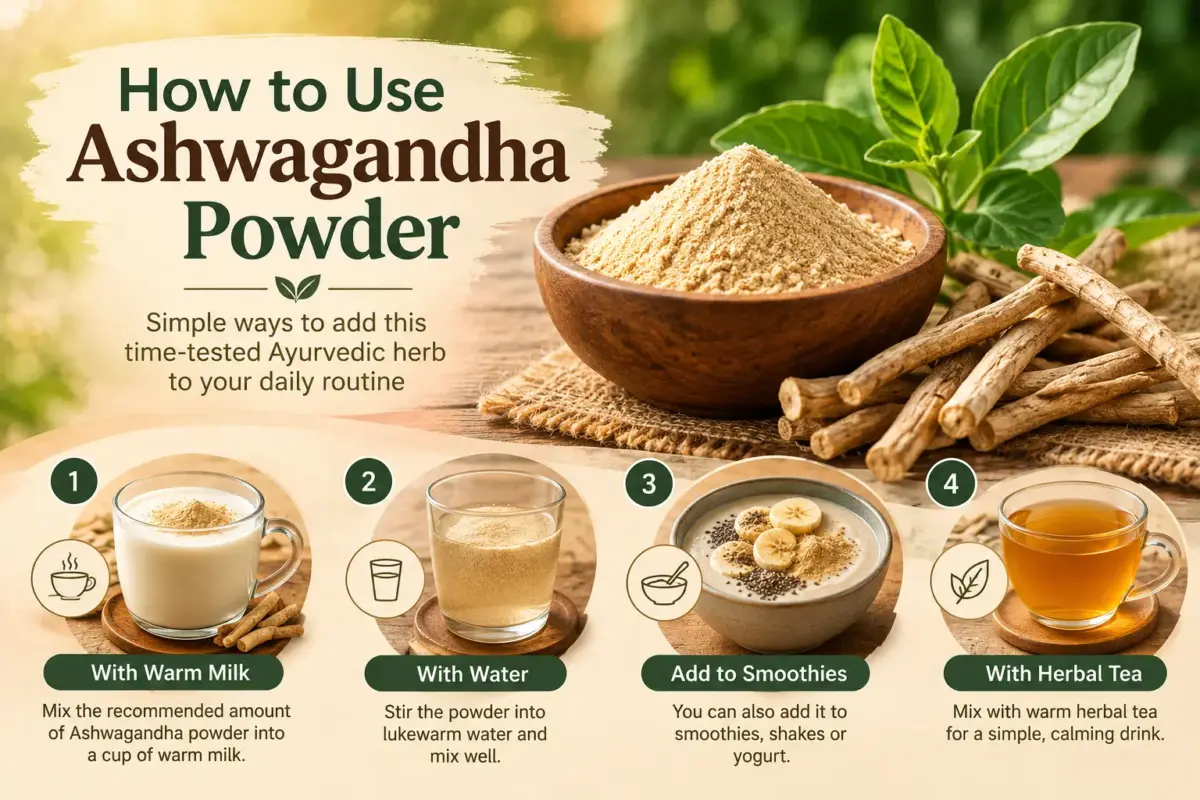
Ashwagandha – A Well-Known Ayurvedic Herb
Ashwagandha is one of the recognised herbs in traditional Ayurveda.
Known botanically as Withania somnifera, it has a long history of use in traditional wellness practices.
Ashwagandha is commonly studied for its potential role in stress-related wellness and other health applications, although scientific evidence and individual suitability vary.
Discover more about this traditional herb through our [Ashwagandha Powder] product page.
Internal product link: [Insert Ashwagandha Powder product page URL]
6. Why Are Natural and Seasonal Foods Important During Chhath Puja?
Chhath Puja is deeply connected with nature. The festival involves worshipping the Sun God, offering prayers near rivers and ponds, and using natural ingredients in traditional rituals.
Seasonal fruits, vegetables and homemade foods are important parts of this celebration.
There are several reasons why traditional foods remain meaningful:
Connection with nature: Seasonal fruits and agricultural produce reflect gratitude towards nature and its resources.
Simple ingredients: Traditional preparations often use familiar ingredients such as rice, wheat, jaggery, ghee and fruits.
Cultural heritage: Recipes and food traditions are passed down through generations, keeping regional culinary practices alive.
Nutritional variety: Traditional meals can include fruits, vegetables, grains and pulses, which contribute different nutrients to the diet.
These traditions remind us that natural ingredients have always been an important part of Indian food culture.
7. What Should You Keep in Mind About Eating During Chhath Puja?
Chhath Puja involves fasting practices that can vary between families and individuals.
Some devotees observe strict fasting, while others follow different dietary practices according to their traditions.
A few important considerations include:
- Follow your family’s established Chhath Puja traditions.
- Maintain cleanliness while preparing food and prasad.
- Use fresh and good-quality ingredients.
- Avoid consuming food or drinks that are not permitted under your fasting practice.
- If you have a medical condition or take regular medication, consult a healthcare professional before undertaking a prolonged fast.
Traditional festival foods and herbal ingredients should not be considered substitutes for medical treatment or balanced nutrition.
Conclusion:
Chhath Puja is much more than a religious festival. It is a beautiful celebration of nature, gratitude, traditional foods and cultural heritage.
From Thekua and Gur Ki Kheer to seasonal fruits, coconut and sugarcane, every traditional preparation reflects the simplicity and richness of Indian food culture.
Amla, Triphala, Moringa and other natural ingredients also remind us of India’s long-standing relationship with herbs, fruits and traditional wellness practices.
At Himalayan Ayurveda & Herbals, we believe that understanding natural ingredients is an important step towards appreciating India’s rich herbal heritage.
Explore our range of traditional herbal products and discover more about the ingredients that have been valued in Indian wellness traditions.
May this Chhath Puja bring happiness, good health and prosperity to every home.
Wishing everyone a very Happy Chhath Puja!
Frequently Asked Questions (FAQs)
1. What is the most popular food eaten during Chhath Puja?
Thekua is one of the most popular traditional foods associated with Chhath Puja. Other preparations include Gur Ki Kheer, Kaddu Bhaat and Kasaar.
2. Which fruits are offered during Chhath Puja?
Common offerings include bananas, coconuts, sugarcane, apples and oranges. Other seasonal fruits may also be included depending on regional and family traditions.
3. Is Amla used in Chhath Puja?
Amla may be included in Chhath Puja offerings in some households and regional traditions. However, it is not a compulsory offering for everyone.
4. What is prepared on the first day of Chhath Puja?
The first day is known as Nahaye Khaye. Devotees traditionally prepare a simple meal that may include rice, chana dal and pumpkin (Kaddu).
5. What is eaten during Kharna?
During Kharna, devotees commonly prepare Gur Ki Kheer using rice, milk and jaggery. Roti and bananas may also be included according to family traditions.
6. What are the nutritional benefits of Amla?
Amla contains vitamin C, dietary fibre and naturally occurring antioxidant compounds. It is also valued in traditional Ayurvedic practices.
7. What is Triphala made of?
Triphala is a traditional Ayurvedic combination of Amla, Haritaki (Harad) and Bibhitaki (Baheda).